
 Advertising IconsFeatured
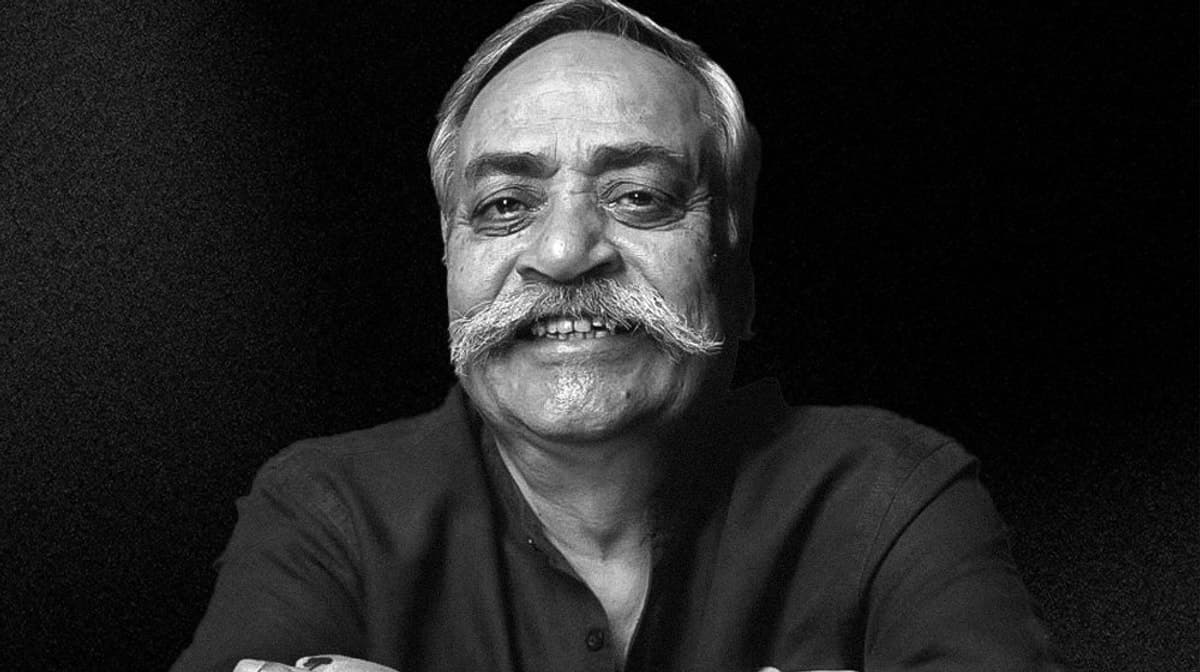
Piyush Pandey
The Creative Who Gave Indian Advertising Its Own Voice
Executive Chairman · Ogilvy India
The story
Before Piyush Pandey, much of Indian advertising borrowed its cues from the West. Brands chased aspiration through polished visuals, urban settings, and international sensibilities—often at the cost of cultural authenticity.
Pandey changed that.
He proved that consumers didn't need brands to look foreign to feel premium. They needed them to feel real, relatable, and unmistakably Indian.
By bringing local insights, everyday characters, and Indian storytelling to the forefront, he transformed the industry's approach to creativity. In doing so, he helped Indian advertising stop imitating global identities and start embracing its own.
The Impact
Pandey's biggest contribution wasn't a campaign. It was changing the way advertising looked at India.
At a time when most advertising spoke from the perspective of metros, he showed that the most powerful stories often came from the streets of Jaipur, the lanes of Lucknow, and the everyday lives of people in Nagpur and countless other towns.
He brought regional humour, everyday quirks, family dynamics, local language nuances, and small-town realities into mainstream advertising—making them not just relatable, but memorable. His work proved that cultural authenticity could be a competitive advantage.
More importantly, he helped brands realise that great insights aren't limited to Mumbai or Delhi. They can come from any corner of the country, as long as they reflect how real people think, speak, and live.
Long before terms like "hyperlocal marketing," "vernacular-first communication," and "cultural insight-led campaigns" became industry buzzwords, Pandey was already building brands around those principles. In many ways, he didn't just create iconic ads—he reshaped how Indian advertising finds its inspiration.
Notable Work
Piyush Pandey's influence can be traced through some of the most iconic campaigns in Indian advertising history. More importantly, many of these campaigns didn't just become successful advertisements—they changed how entire categories communicated.
Fevicol (Pidilite)
Perhaps the most consistent brand-building exercise in Indian advertising. Over multiple decades, Fevicol transformed a simple product benefit, strong adhesion, into a cultural property rooted in Indian humour, everyday situations and memorable storytelling.
- Fevicol Bus
- Fevicol Egg
- Fevicol Train
- Fevicol Furniture campaigns
- The long-running rural storytelling platform
Cadbury Dairy Milk
These campaigns helped expand chocolate consumption in India by making Dairy Milk a symbol of celebration, spontaneity and everyday happiness across age groups.
- Asli Swaad Zindagi Ka
- The iconic cricket-ground celebration film
- Campaigns that repositioned chocolate beyond children
Asian Paints
Long before emotional storytelling became common in the category, Pandey helped position homes as repositories of memories, relationships and personal stories rather than simply painted spaces.
- Har Ghar Kuch Kehta Hai
- Family and festival-led communication platforms
Pulse Polio
One of India's most influential public service campaigns. The communication helped simplify a national health message and reinforced public awareness and participation in the Pulse Polio initiative.
- Do Boond Zindagi Ki
Coca-Cola
His work demonstrated how a global brand could speak in local idioms, cultural references and everyday situations without losing its global identity.
- Local and culturally rooted campaigns across markets
Pan Parag
These campaigns showcased Pandey's ability to connect with audiences beyond metropolitan India and helped establish his reputation as a creative who understood the country's diversity.
- Mass-market campaigns built around popular culture and vernacular communication
Other Notable Contributions
Across categories ranging from adhesives and paints to chocolates, beverages and public service communication, Pandey consistently demonstrated that Indian stories could build powerful Indian brands.
- Rural and small-town focused communication long before "Bharat marketing" became an industry trend
- Government and social impact campaigns that used simple language and mass appeal
- Building long-term brand platforms rather than campaign-led advertising
- Popularising culturally rooted storytelling as a mainstream creative approach
What Made Him Different
Most advertisers begin with the brand. Pandey often began with people.
His campaigns were built on observations drawn from everyday life, making them instantly familiar and relatable. Rather than relying on research presentations, he found insights in real conversations, behaviours, and experiences.
He understood that when consumers see themselves in a story, they are more likely to remember the brand behind it.
Unlike many creatives of his era, he could speak equally well to urban consumers, rural audiences, and small-town India. This ability helped him create campaigns that felt national rather than niche.
He also believed in building long-term brand properties instead of chasing short-lived campaign success. Fevicol remains one of the strongest examples of that philosophy.
Legacy
Piyush Pandey didn't just create memorable campaigns.
He changed what Indian advertising considered worthy of being shown on screen.
Before him, the hero was often the product.
After him, the hero could be an ordinary Indian.
His influence can still be seen in modern advertising's obsession with cultural insights, regional storytelling and authenticity. Long before these became industry buzzwords, Pandey had already demonstrated their power through decades of work.
For an industry that once looked outward for inspiration, Piyush Pandey proved that India's greatest creative advantage was India itself.
Keep reading
More Advertising Icons
 Advertising IconsFeaturedBBDO India·Chairman
Josy Paul
The Creative Who Proved Brands Could Shape Culture, Not Just Sell Products
 Advertising IconsFeaturedMcCann Worldgroup India·Chairman
Prasoon Joshi
The Wordsmith Who Made Brands Part of Everyday Language
 Advertising IconsGenesis Film Productions·Advertising Filmmaker
Prahlad Kakkar
The Director Who Turned Commercials Into Entertainment