
Apple's "Relax, It's iPhone" Campaign: When Relatability Crosses a Line
Apple turned iPhone durability into everyday chaos — toddlers, pets, spills — until one billboard sparked a conversation about screen time instead of Ceramic Shield.
2026
The write-up
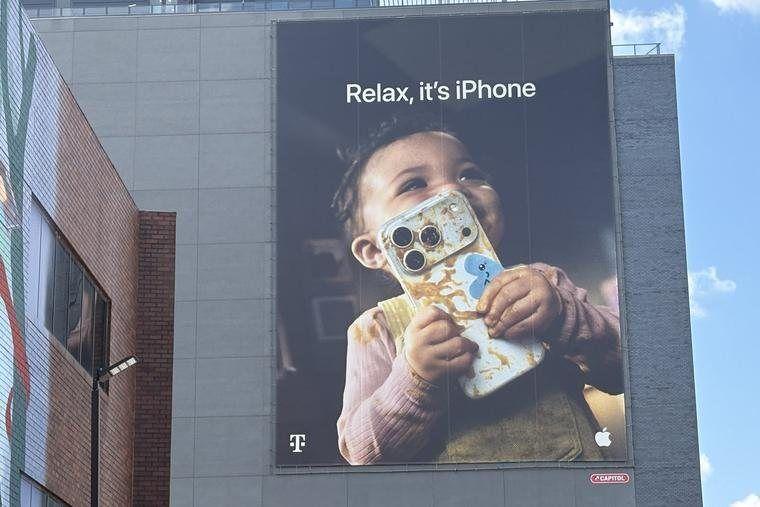
Apple's "Relax, It's iPhone" campaign took a familiar advertising route and made it feel refreshingly real. Instead of relying on polished product shots and technical specifications, the campaign placed the iPhone in the middle of everyday chaos, from toddlers and pets to kitchens and bathrooms.
The idea was simple: show the iPhone surviving real life rather than simply claiming it is durable. But one execution ended up creating a conversation Apple may not have intended.
A Smart Creative Idea
The campaign moved away from traditional product-led advertising. Rather than highlighting features such as Ceramic Shield or water resistance, Apple showed the phone being exposed to the unpredictable situations that come with everyday life.
Toddlers, pets, messy homes and accidental mishaps became the storytelling devices. It was a smart way to turn a functional product benefit into something consumers could immediately understand. Instead of telling people that the iPhone is built to handle everyday accidents, Apple showed them.
That made the campaign relatable, visual and easy to remember.
When One Visual Changes the Conversation
However, one billboard featuring an infant and an iPhone attracted criticism for potentially normalising screen exposure among very young children.
The timing made the creative particularly sensitive, coming amid growing conversations around children's screen time and the impact of early exposure to smartphones.
The intended message was about durability. But the audience could interpret the image through a completely different lens: parenting and children's screen use. And that is where the campaign became a lesson in advertising context.
The Bigger Marketing Lesson
A strong creative idea does not exist in isolation. The cultural context surrounding an execution can influence how audiences interpret it, sometimes more powerfully than the brand's intended message.
Apple's campaign demonstrates why relatability can be such a powerful advertising tool. By placing the product in familiar situations, the brand made a technical benefit feel human and relevant. But the same relatability can create risk when the context introduces a more sensitive cultural conversation.
The infant visual became more than a demonstration of the iPhone's durability. For some viewers, it became a statement about children and smartphones.
“A great insight is only as strong as its execution. Apple got the larger creative strategy right: make product benefits tangible by putting them into situations consumers recognise. But advertising does not control how people interpret a visual once it enters the real world — a single creative choice can shift the conversation from “This phone is durable” to “Why is a baby being shown with a smartphone?” The lesson for marketers is clear: relatability makes advertising stronger, but context determines whether that relatability works for or against the brand.”
The evidence
01 / 03 · Campaign still
- Brand
- Apple
Related case files
Related case files
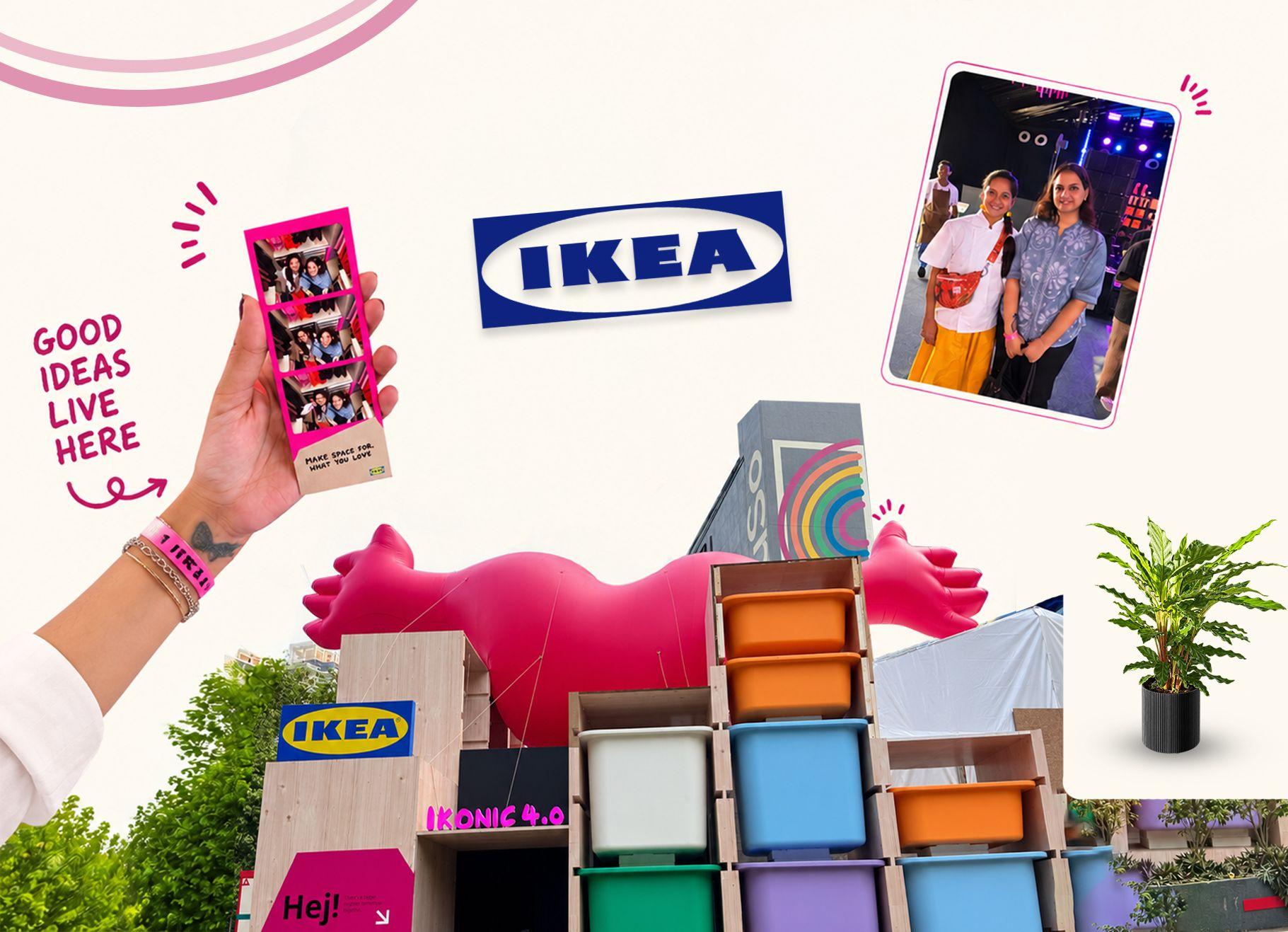
We Spent A Day At IKEA IKONIC 4.0. Here's What Caught Our Attention.
We walked into IKEA IKONIC 4.0 expecting design. What followed was a day of conversations around space, culture, creativity and the way we actually live.
 Decoded
Why PUMA And Jaipur Rugs Are A Surprisingly Smart Collaboration
A global sportswear brand and an Indian rug-weaving house walk into a collaboration — and prove the strongest partnerships trade meaning, not just audiences.
 Gold · Cannes 2025
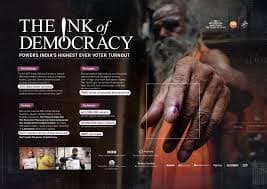
Ink of Democracy
2.28 million newspaper pages printed in purple electoral ink — a protest against voter apathy that won India's first Gold at Cannes 2025.