
Buddy Meal
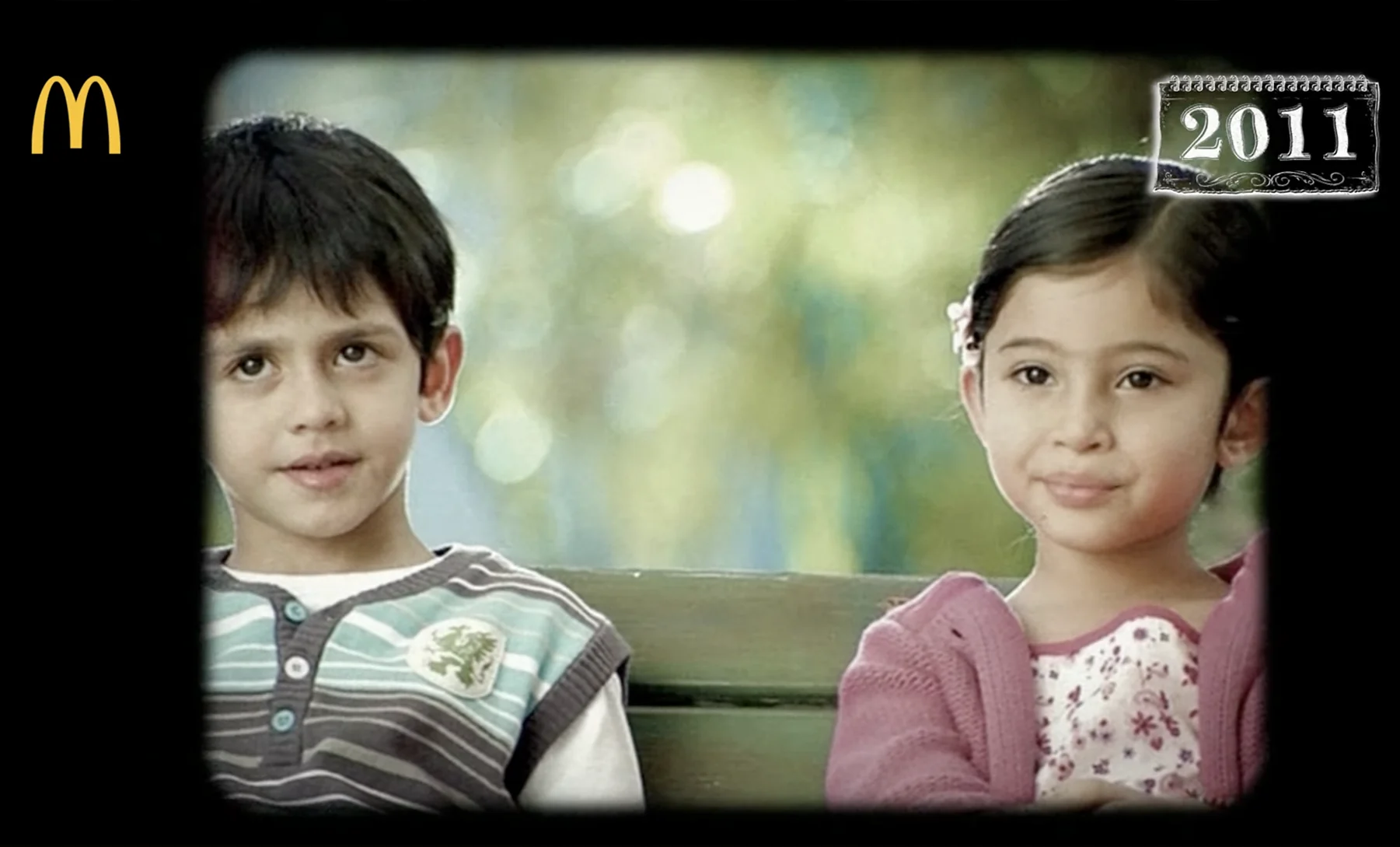
Nostalgia resurrection — McDonald's brought back 'Burger Bacchi' Sara Arjun to launch the ₹119 Buddy Meal.
2025
The write-up
Overview
McDonald's revived one of its most recognisable advertising memories by bringing back Sara Arjun for the launch of its Buddy Meal campaign in North and East India. Years after appearing in McDonald's popular childhood "boyfriend-girlfriend" commercials, Sara returned as an adult ambassador for the brand, creating an immediate emotional bridge between past and present.
The campaign introduced the ₹119 Buddy Meal while simultaneously reviving memories associated with McDonald's earlier advertising era. Rather than rebuilding audience familiarity from scratch, the brand leveraged an already existing emotional connection that millions of consumers had grown up with.
Problem Statement
India's quick-service restaurant category has become increasingly competitive, particularly among younger and price-sensitive consumers. Value meals and affordability are now central battlegrounds for brands competing for attention and repeat purchases.
For McDonald's, simply launching another low-cost meal option risked getting lost in a marketplace already saturated with discount-driven messaging. The larger challenge was emotional differentiation. Launching a campaign with entirely new characters or narratives would require significant effort to establish audience familiarity and affection.
The brand therefore faced an important strategic question: how could it create instant relevance while reinforcing long-term emotional loyalty among consumers who had already grown up with McDonald's advertising?
Solution
McDonald's solved the challenge through nostalgia-led casting and restrained storytelling. By bringing back Sara Arjun, the same child actor associated with its earlier commercials, the brand instantly triggered recognition and familiarity among audiences who remembered the original ads.
Importantly, the campaign avoided excessive callbacks or over-explaining nostalgia. Instead of recreating the older commercials scene-for-scene, the execution preserved the same playful chemistry and emotional tone that audiences associated with those earlier campaigns.
This subtle approach allowed viewers to complete the emotional connection themselves. Rather than forcing sentiment, the campaign simply reminded audiences of a memory they already carried. At the same time, the Buddy Meal itself reinforced the campaign's positioning around sharing, friendship, and affordability, making the emotional storytelling commercially relevant rather than purely sentimental.
Outcome
The campaign generated strong audience engagement across digital platforms, with the official campaign video crossing significant viewership and interaction numbers shortly after release.
Much of the campaign's appeal came from instant recognition. Viewers immediately connected the new advertisement with their memories of McDonald's earlier campaigns, leading to widespread sharing and discussion around the return of "Burger Bacchi," a nickname audiences affectionately associated with Sara Arjun online.
The broader marketing takeaway is that nostalgia is most effective when used with restraint. McDonald's did not attempt to reinvent a beloved campaign. Instead, it preserved the emotional essence audiences already remembered and allowed familiarity to do the heavy lifting.
“It didn't rebuild familiarity from scratch — it borrowed a memory millions already carried.”
The evidence
01 / 03 · Campaign still
- Brand
- McDonald's
- Industry
- QSR / FMCG
- Sub-category
- Fast Food
- Medium
- Nostalgia Campaign
Related case files
Related case files
 Decoded
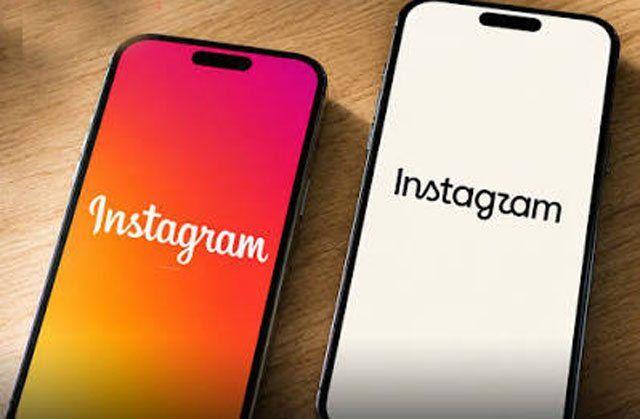
Instagram Changed Its Wordmark After 10 Years. The Internet Called It "Instagzam"
Instagram quietly refreshed its decade-old wordmark — and the internet immediately renamed it “Instagzam.” A masterclass in what happens when a brand touches its most recognisable asset.
 Decoded
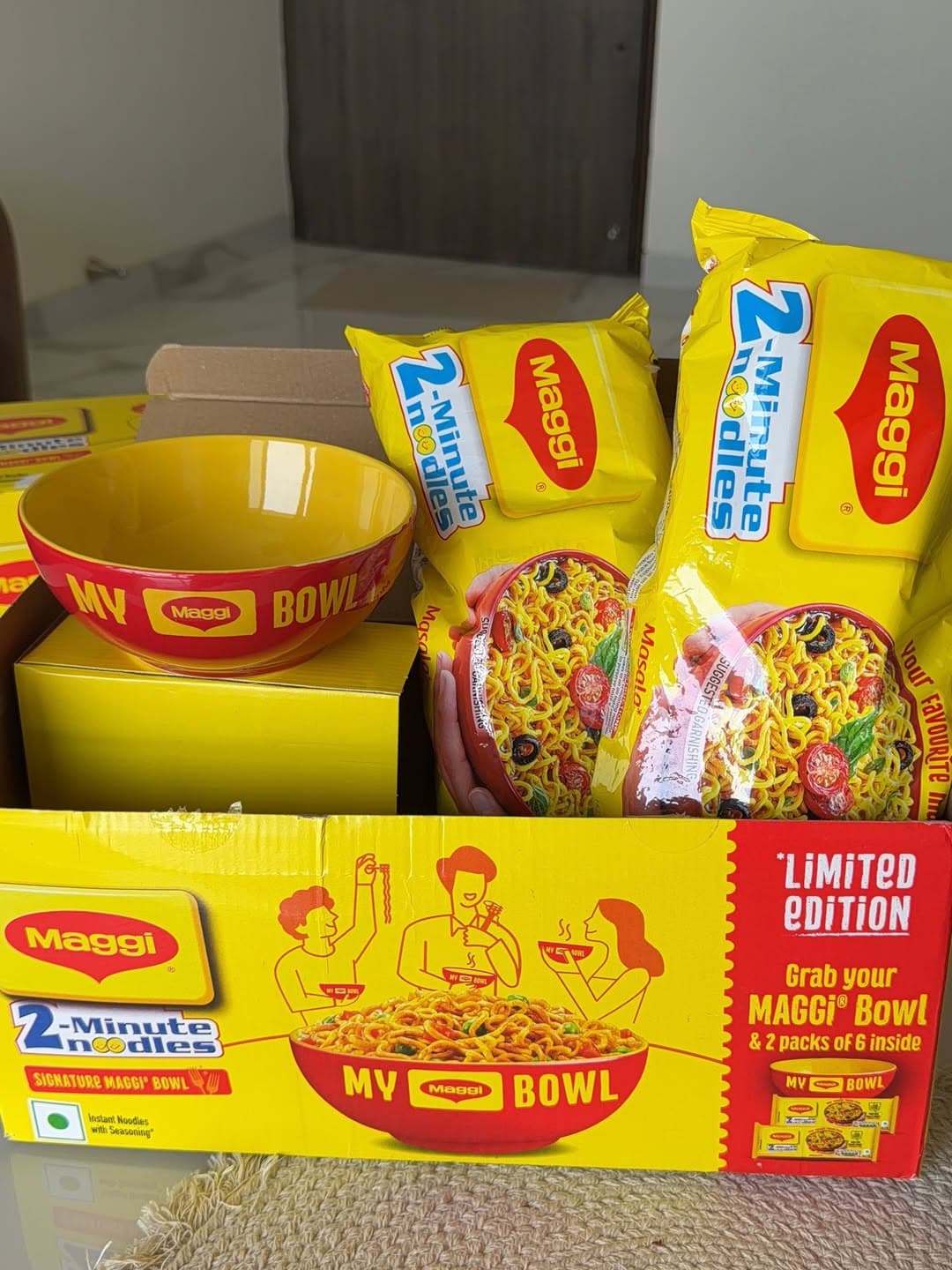
MAGGI at 50
A 50-year milestone told through commemorative India Post stamps and shared memory — not corporate self-congratulation.
 Decoded
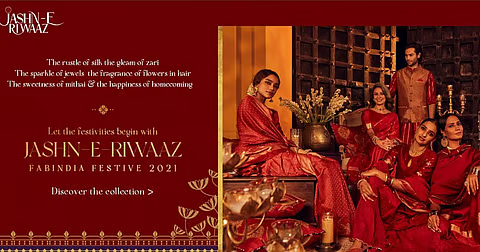
Jashn-e-Riwaaz
A festive campaign withdrawn after backlash — a case study in the gap between brand intent and audience perception.