
FIFA World Cup and India's Broadcasting Vacuum
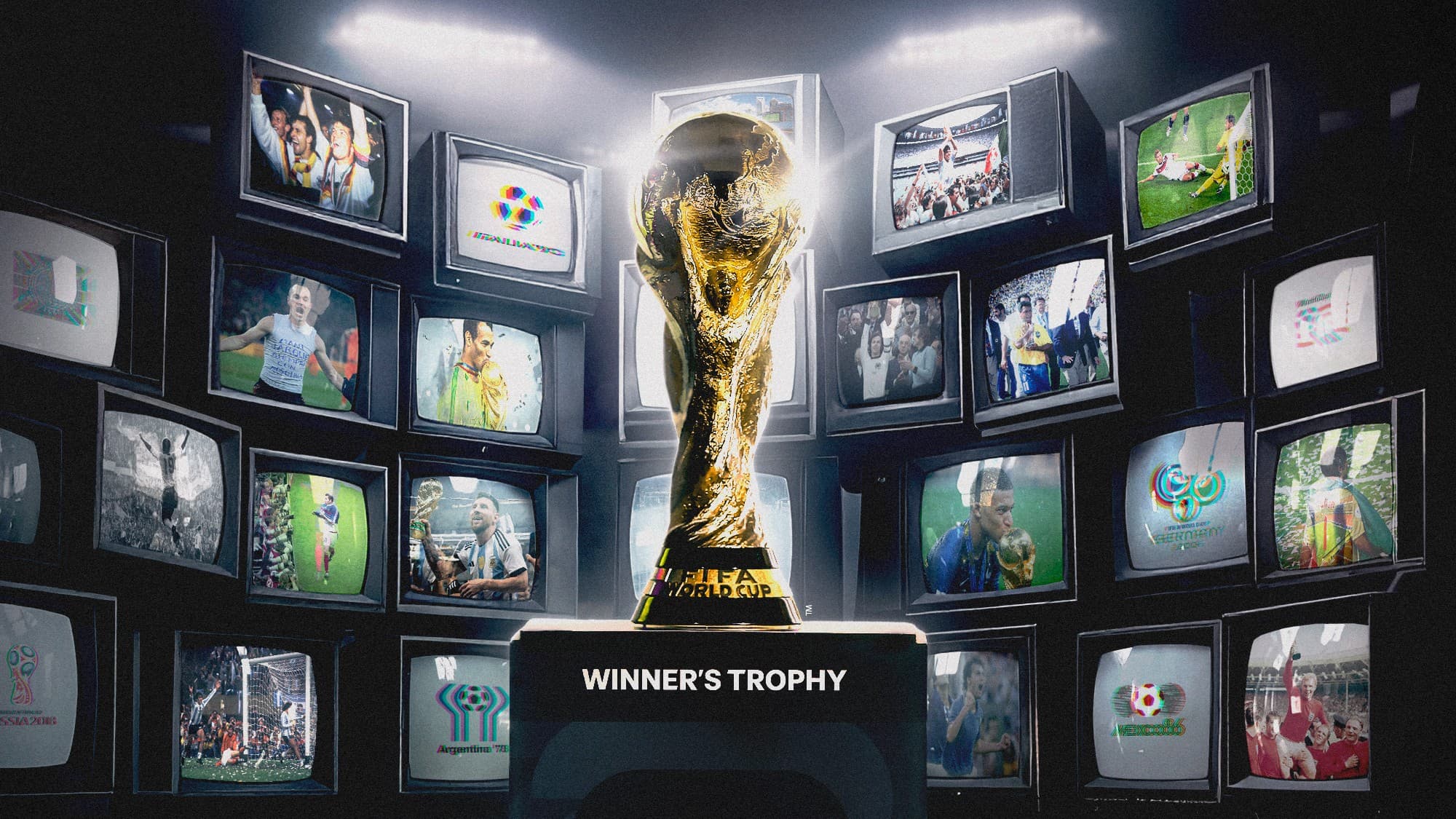
No Indian broadcaster for the 2026 FIFA World Cup — at a time of record sports-rights valuations. We put sports-media economics under the microscope.
2025
The write-up
Overview
As the 2026 FIFA World Cup approaches, India — one of the world's largest media markets — still has no confirmed broadcaster, at the exact moment global sports rights are selling for record sums. The Ad Doctor reads this not as a one-off scheduling gap but as a symptom: a window into how sports-broadcasting economics, streaming profitability, and audience fragmentation are quietly rewriting what a media-rights deal is actually worth in India.
Problem Statement
For a decade, broadcasters and streaming platforms bid aggressively for sports rights on the assumption that advertising and subscription revenue would eventually justify the cost. But football has never carried the mass-market certainty in India that cricket does, which makes the core question uncomfortable: can the country's football advertising base realistically fund World Cup rights at today's valuations? When the maths stops working, the rights simply go unsold.
Solution
The vacuum exposes a widening gap between what premium sports properties cost and what they can be monetised for in India. Shrinking pay-TV, fragmented streaming audiences, and subscriber fatigue are pushing media companies to treat sport as a portfolio bet rather than a guaranteed win. The likely next chapter isn't one broadcaster writing a giant cheque — it is creator-led coverage, digital-first and clip-driven distribution, and community engagement that monetises attention without paying for blanket linear rights.
Outcome
The lesson for marketers is that even marquee global properties are not immune to economic gravity. When a rights fee outruns the realistic ad market behind it, walking away becomes the rational move — and the audience migrates to whoever fills the gap, often informal creators rather than official broadcasters. Scarcity of official coverage doesn't kill the conversation; it just relocates it.
“The rights got pricier as the business case got weaker — so India quietly ended up with no broadcaster at all.”
The evidence
01 / 02 · Campaign still
- Brand
- FIFA World Cup
- Industry
- Media & Sports
- Sub-category
- Sports Broadcasting
Related case files
Related case files
 Decoded
5 Must-Watch Picks for Every Marketer
From Mad Men's Don Draper to the true story behind Air Jordan, five films and series that teach marketers more than most textbooks do.
 Decoded
YouTube Just Raised the Price of Entry for Creators
From February 2027, YouTube is doubling the performance bar for new creators to monetise — a signal that consistency now matters more than virality.
 Grand Prix · Cannes 2025
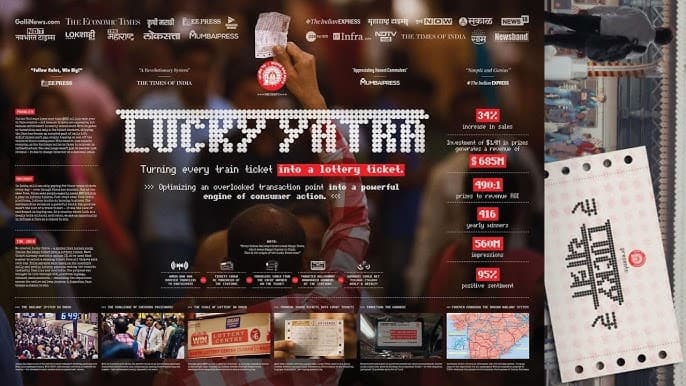
Lucky Yatra
FCB India turned Mumbai's suburban train tickets into lottery entries — and won India's only Grand Prix at Cannes 2025.