
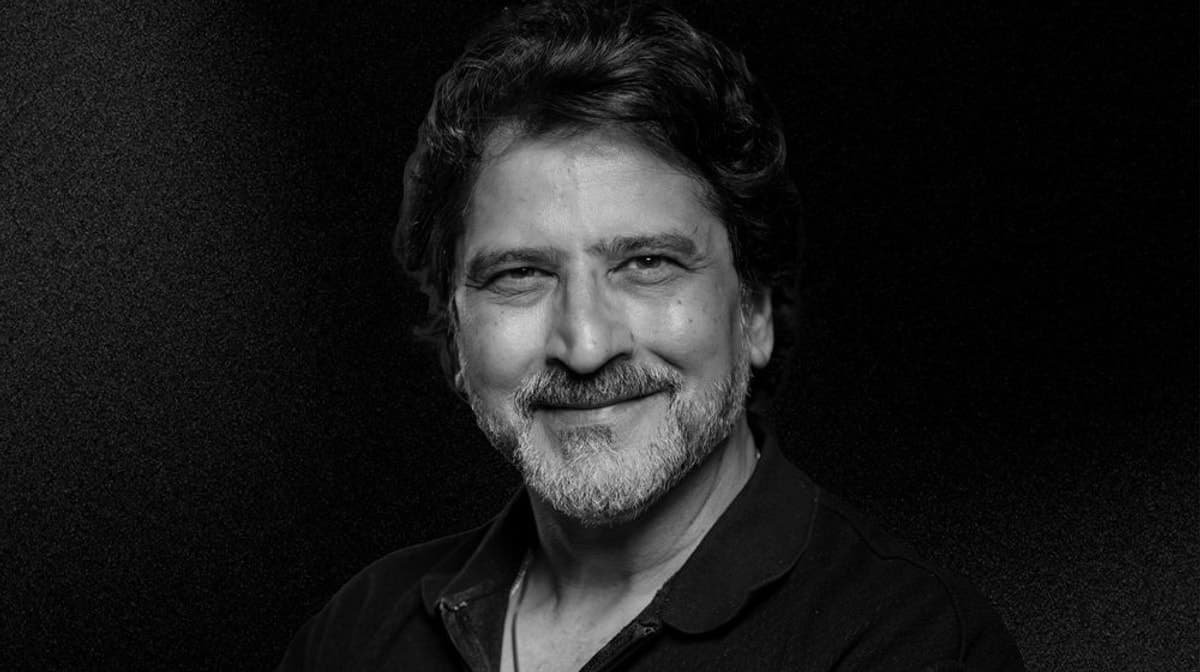
 Advertising Icons
Sonal Dabral
The Creative Who Proved Indian Ideas Could Win Anywhere
Chief Creative Officer · Ogilvy Asia
The story
If Piyush Pandey helped Indian advertising find its voice, Sonal Dabral helped prove that voice could travel across the world.
Over a career spanning India, Malaysia, Singapore and the wider Asia-Pacific region, Dabral became one of the first Indian creative leaders to successfully export Indian creative thinking to international markets.
At a time when Asian advertising was often viewed through a Western lens, he helped demonstrate that ideas rooted in local culture could compete with, and often outperform, the best work from anywhere in the world.
The Impact
Dabral's biggest contribution was helping position Indian creativity as a globally respected force.
Working alongside Piyush Pandey during Ogilvy India's rise in the 1990s, he played a key role in turning the agency into India's most awarded creative powerhouse. Later, he repeated that success across Malaysia and Singapore, leading agencies that became some of the most awarded creative offices in Asia.
His career showed Indian creatives that global leadership wasn't reserved for agencies in London, New York or Europe. It could emerge from Mumbai, Kuala Lumpur or Singapore as well.
Notable Work
Sonal Dabral's career is unusual because his influence extends beyond individual campaigns. He helped build creative cultures, agencies and brands across multiple markets.
Cadbury Dairy Milk
The work helped create one of the most successful brand-building stories in Indian advertising history.
- Key contributor to the campaigns that repositioned chocolate beyond children
- Part of the creative team behind the brand's transformation into a product associated with celebration and everyday joy
Cadbury Perk
The campaign became one of the most memorable youth-focused advertisements of its era and established Dabral as a creative force within Ogilvy India.
- The iconic "Hunger Strike" campaign
Fevicol
Working alongside Piyush Pandey and the Ogilvy team, Dabral helped shape one of India's most enduring creative properties. The famous Fevicol Egg commercial remains one of the most referenced Indian ads globally.
- Fevicol Egg
- Contributions to the larger Fevicol communication platform
Binnies
An early breakthrough campaign that demonstrated his understanding of popular culture and memorable communication. The jingle achieved widespread recall and became part of everyday conversation.
- Humko Binnies Mangta
Times of India
During his DDB Mudra years, Dabral led work that helped strengthen Times of India's reputation as a brand willing to experiment with bold communication and public-interest messaging.
Creative Leadership Across Asia
- Helped Ogilvy India become India's leading creative agency
- Led Ogilvy Malaysia to become one of the country's most awarded agencies
- Helped establish Ogilvy Singapore as one of Asia's most awarded creative offices and among the most recognised agencies globally.
- Helped establish DDB Mudra as a serious creative contender in India
- Later served as Chief Creative Officer for South and Southeast Asia at Ogilvy
What Made Him Different
Unlike many creative leaders who specialised in a single market, Dabral repeatedly proved that strong ideas could travel across cultures.
He combined the craft and emotional storytelling associated with Indian advertising with the strategic rigour demanded by global brands.
His background as a designer from the National Institute of Design also gave his work a strong visual sensibility, helping him bridge the gap between art direction, storytelling and brand thinking.
Perhaps most importantly, he was among the first generation of Indian creative leaders who successfully built award-winning creative cultures outside India while maintaining their distinctly Asian perspective.
Legacy
Sonal Dabral's legacy extends beyond campaigns.
He helped demonstrate that Indian creative leaders could successfully lead and influence global creative networks.
Today, it is common to see Indian creatives leading regional and international networks. When Dabral began doing it in the late 1990s and early 2000s, it was still relatively rare.
His career demonstrated that Indian creativity was not simply capable of competing globally. It was capable of setting global standards.
For many young creatives, he became proof that an idea born in India could win anywhere in the world.
Keep reading
More Advertising Icons
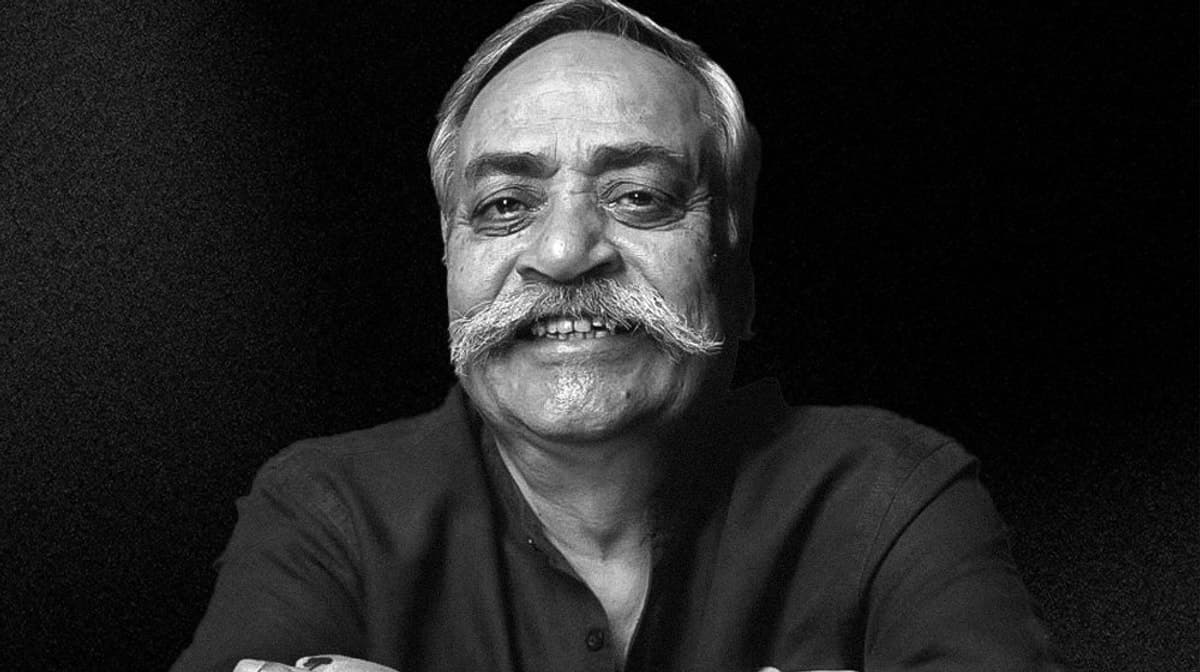 Advertising IconsFeaturedOgilvy India·Executive Chairman
Piyush Pandey
The Creative Who Gave Indian Advertising Its Own Voice
 Advertising IconsFeaturedBBDO India·Chairman
Josy Paul
The Creative Who Proved Brands Could Shape Culture, Not Just Sell Products
 Advertising IconsFeaturedMcCann Worldgroup India·Chairman
Prasoon Joshi
The Wordsmith Who Made Brands Part of Everyday Language